
Asbestos Abatement
Home / Our Services / Asbestos Abatement
Available 24/7
416-529-9644
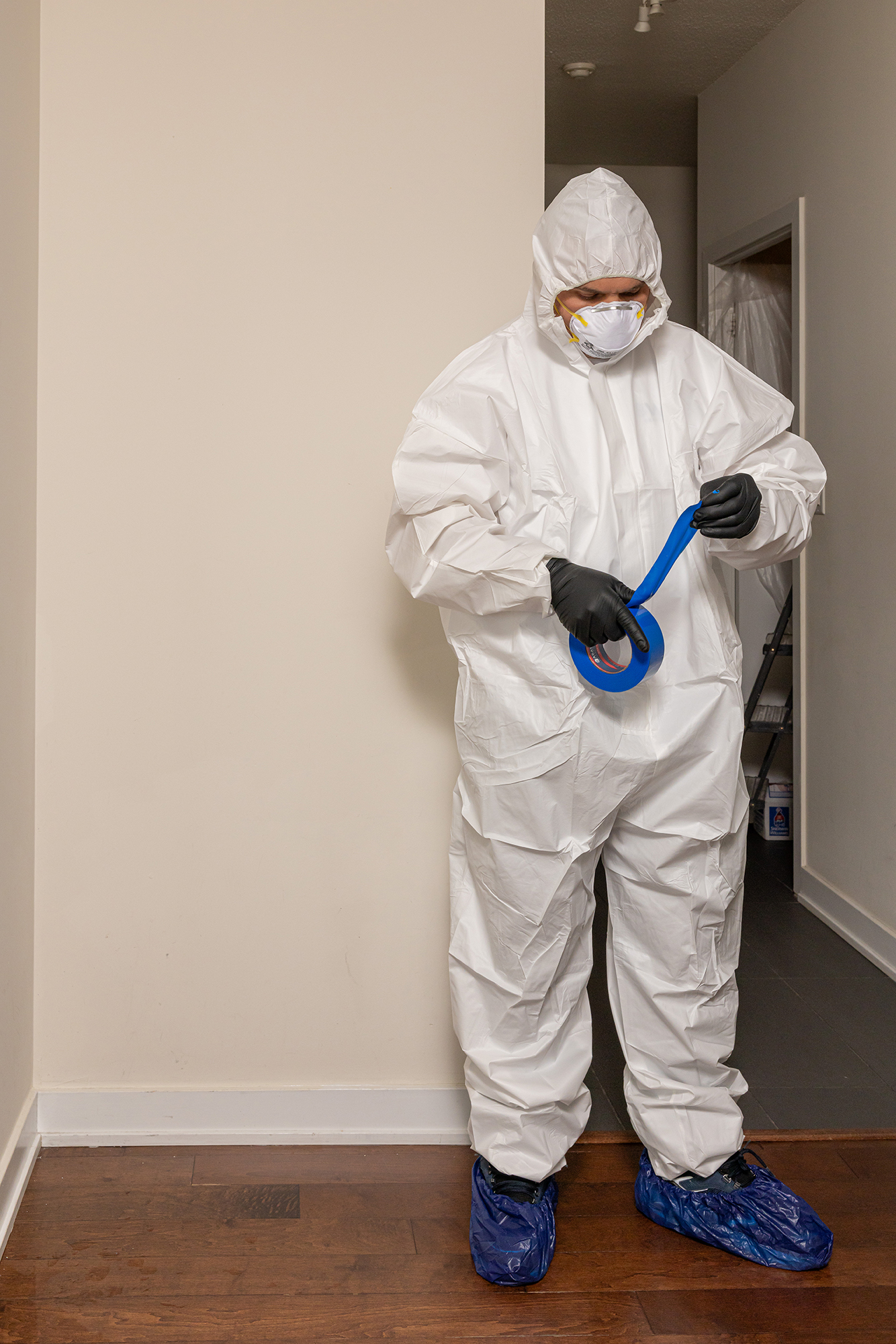
What You’re Dealing With
Asbestos was standard in Canadian construction until the late 1980s. Common locations in Toronto buildings:
Pipe and boiler insulation (pre-1990)
Textured ceilings and coatings (pre-1980)
Drywall joint compound (pre-1984)
Vinyl floor tiles and adhesives (pre-1986)
Vermiculite attic insulation (pre-1990)
Roofing materials and siding (pre-1989)
Our Process

Site Survey & Material Sampling
Non-destructive testing and lab analysis to confirm presence and concentration.

Risk Classification
Assessment under Ontario OHSA — Type 1, 2, or 3 — to determine the appropriate protocol.

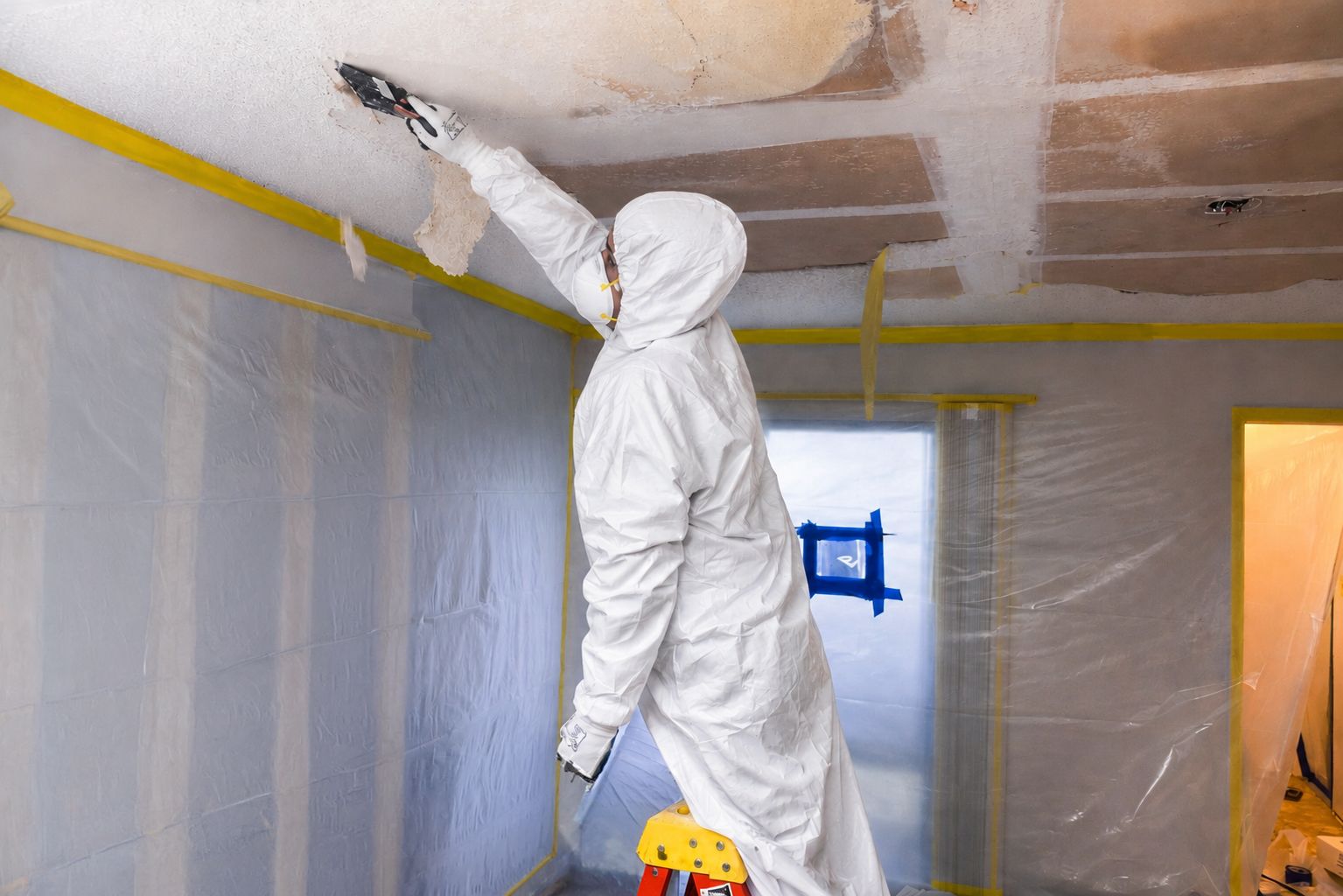
Negative Pressure Containment
Full isolation to prevent fiber migration to unaffected areas of the building.

Safe Removal
HEPA vacuums, full PPE compliance, and disposal through approved hazardous waste channels.

Air Monitoring & Clearance
Independent verification that the area is safe for re-occupancy before work is signed off.
Ontario Asbestos Classification
Type I — Low Risk
Non-friable materials
Dust control + HEPA vacuuming
Type II — Moderate Risk
Friable materials under 1 sq. metre
Containment + negative air pressure
Type III — High Risk
Friable material over 1 sq. metre
Full containment + decon facilities + air monitoring
When Is Abatement Required?
MANDATORY
Before demolition or major renovation of buildings with asbestos-containing materials
When asbestos materials are damaged and fibers may be released
Prior to property sale or transfer
When required by regulatory inspection or work order
ADVISABLE